
Explore the different varieties of visual art
- sa sheikh
- Oct 16, 2022
- 7 min read


Painting, drawing, printmaking, sculpture, ceramics, photography, video, filmmaking, design, crafts, and architecture are all varieties of visual arts. The performing arts, conceptual art, and textile arts are just a few forms of artistic fields that incorporate aspects of both visual and other forms of art. The applied arts, such as fashion design, interior design, graphic design, and industrial design, are also included in the visual arts. The applied or decorative arts and crafts as well as fine art are all included in the current definition of "visual arts," but this was not always the case. Before the Arts and Crafts Movement at the turn of the 20th century in Britain and elsewhere, the term "artist" frequently referred to a person who worked in the fine arts (like painting, sculpture, or printmaking), not the decorative arts, craft, or applied visual arts media. Art schools made a distinction between the fine arts and the crafts, arguing that a craftsperson could not be considered a practitioner of the arts. This distinction was emphasized by artists of the Arts and Crafts Movement, who valued vernacular art forms as much as high forms. Both Western and East Asian art has exhibited a growing tendency to place painting and, to a lesser extent, sculpture above other arts. The most highly valued styles in Chinese painting were those of "scholar-painting," at least in theory, practiced by gentleman amateurs. In both regions, the painting was seen as relying mostly on the artist's imagination and being the farthest removed from manual labor. The Western hierarchy of genres reflected similar attitudes.
What Are the Types of Visual Arts?

The term "visual arts" refers to works of art that can be seen, such as statues or paintings, in contrast to the broad definition of "the arts," which encompasses everything from painting to the theater to the song to design. There are types of visual arts to choose from: commercial, decorative, and fine art there are subcategories for each of these kinds of visual art, which can be representational, abstract, or non-objective.
Fine Art:

Fineart can be described as a type of art that is created mostly for its visually pleasing qualities. This idea sets fine art apart from commercial and decorative works of art that also serve a purpose. High art permits an artist to fully express and display their creativity without considering commercial or practical considerations like a utility.
While there are s However, sketching is included in broader definitions of the fine visual arts. The masters' sketches are recognized as excellent works of art on their merit, regardless of whether they were precursors to painting or three-dimensional art forms. The term "fine arts" was used from the Renaissance to distinguish particular art forms from new kinds of commercial design or the work of artisans. The term "fine" does not refer to the quality of the work in question. Instead, the definition focuses on the discipline's method and integrity.
Even if they do not fall under the category of "fine art," other kinds of visual art may still be of high quality. Even though the term "fine art" is most commonly used in the West, other civilizations have recognized similar distinctions between "higher" and "lower" arts. The term "minor arts" refers to decorative or commercial art, while "major arts" refers to paintings, sculptures, and building architecture. Nevertheless, the architect's design must incorporate a sense of beauty and originality. During their lifetimes or after they pass away, well-known fine artists frequently enjoy a higher level of notoriety and fame than their counterparts in the decorative and commercial fields. Most of the time, artwork from the past, like ancient art, is considered fine art. Among the "Old Masters" who painted between the Renaissance and the 1800s, Michelangelo and da Vinci are notable fine painters. New and contemporary works of art are also regarded as excellent, as are many works of classical or older art.
Decorative Art :

Decorative Art Because they are both decorative and useful, decorative arts are frequently misunderstood as forms of art. Alternately, the terms "crafts" and "decorative arts" may be used; Both the design and the construction are functional and attractive. Examples of ornamental arts include things made for the inside of buildings and interior design, but architecture is rarely included.
Commonplace items can be incorporated into the decorative arts, but they are distinct from mass-produced replicas of these items.
If an item is handcrafted by a skilled craftsperson, it is typically regarded as decorative art. Common decorative art techniques include making pottery, glassware, carpentry, fabrics, enameling, and working with metal. It is possible to further subdivide each of these media; Dressmaking, wall tapestries, basket weaving, needlework, and interior materials are all examples of the textile medium.
In cultures all over the world, ornamental arts are common. Among the most well-known decorative artists are William Morris, a designer of textiles, and Peter Carl Fabergé, a maker of jewelry and pottery.
Decorative artists are frequently overlooked in comparison to their colleagues in the fields of painting and sculpture. But their work is just as important in telling the stories and histories of past and present societies.
Commercial Art:

Like ornamental art, commercial art can be useful and beautiful at the same time. It is a creative service created for financial gains, like marketing. Companies, products, and ideas are promoted and sold through commercial art. Brands and businesses order commercial art to convey a particular message to a target audience.
Examples of commercial arts include photography, illustration, animation, printing, broadcasting, dressmaking, visual effects, product engineering, and motion graphics.
Publications, websites, applications, television, retail displays, and product packaging are all examples of commercial art. Although commercial art has been used to promote products for millennia, it is frequently found in new media. Companies and corporations alike, as well as the military and government, communicate through this art form. Famous military recruiting posters, state propaganda, and even infrastructure projects were created by commercial painters.
Famous London Tube logos, early Coca-Cola ads, and Andy Warhol's Campbell's soup ads are examples of commercial art. For paying clients, commercial artists are either hired or commissioned to create works of art. Contrary to fine painters, commercial artists typically adhere to a brief, but they may still possess sufficient artistic flexibility or flair to produce innovative or experimental commercial art. During the Art Deco, Art Nouveau, and Pop Art periods, many of the avant-garde artists who rose to prominence were commercial artists.
Before moving on to fine art, some artists began their careers in commercial art. These artists frequently question the notions of exclusivity that are typically associated with the fine arts and blur the lines that separate the high and low arts.
Representational Art:

Representational art is any piece of art that depicts subjects that are easily recognized. The type of art that is most well-known and adored by everyone is representational art. This category also has the most readily available art due to the relative youth of the other two groups, non-objective and abstract.
Representational art encompasses the majority of classical and ancient art.
Even though it depicts actual objects, figurative art is not always overly realistic; It does not have to accurately reflect the subject, unlike photography. Representational artists include Frida Kahlo, Edward Hopper, Michelangelo, Leonardo da Vinci, and Vincent Van Gogh.
Abstract Art:

Abstract Art Displays real-world themes or inspirations in ways that are distinct from how we view them in everyday life in abstract art. Highlighting lines, shapes, or colors that change the subject matter could be an example of this. Subcategories of abstract art include Precisionism, minimalism, and cubism. The artist's decision to perceive the subjects differently can also result in abstraction.
With its roots in the Impressionists' departures from realism at the end of the nineteenth century, abstraction is a relatively recent addition to the art world. It began to gain popularity worldwide in a variety of forms. Painters began to approach their work with more thought. The Treachery of Images, which Magritte completed in 1939, exemplifies this novel approach to art. Under a figurative painting of a pipe, the French phrase "This is not a pipe" is written. The artwork is only meant to be a picture of a pipe, not the actual pipe. Artists of this time saw paintings as pictures, enabling a novel form of intellectual expression.
The distinctions between non-objective and abstraction in the art are difficult for many people to comprehend. The subject matter is where the obvious distinction lies.
If the artist starts with a real-world topic, the work is abstract. Despite its growing popularity, abstract art has only been around for about 200 years and is still misunderstood. Abstract painters include Mark Rothko, Henri Mattise, Georges Braque, Jasper Johns, and others.
Not Objective Art:

Art That Is Not Objective Art that is not objective in no way deviates from reality. Although it is not based on reality, it is similar to abstraction. On the other hand, non-objective art makes use of the elements, materials, and ideas of art to create work that is appealing to the eye.
Non-objective artists include Sonia Delaunay, Jackson Pollock, Piet Mondrian, and Wassily Kandinsky.
This concludes our examination of the various styles of visual art and examples of artists working in those styles. Nowadays, applied decorative and craft arts as well as commercial and fine arts are all included in the category of "visual arts."However, this has not always been the case. Before the 20th century, artists working in the fine arts were frequently referred to as "artists."Artists in the media, business and craft industries were frequently overlooked. Nowadays, artists' abilities and aptitude in all forms of visual art are held in much higher regard.
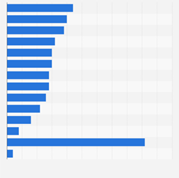
Result:
The types of art shared by adults in the United States on social media platforms in 2015 are shown in this statistic. During the survey, 19 percent of respondents stated that they had shared videos of others performing artistic tasks like singing, acting, or playing an instrument.

Conclusion:
The applied or decorative arts and crafts as well as fine art are all included in the current definition of "visual arts," but this was not always the case. Before the Arts and Crafts Movement at the turn of the 20th century in Britain and elsewhere, the term "artist" frequently referred to a person who worked in the fine arts (like painting, sculpture, or printmaking), not the decorative arts, craft, or applied visual arts media. The term "visual arts" refers to works of art that can be seen, such as statues or paintings, in contrast to the broad definition of "the arts," which encompasses everything from painting to the theater to the song to design. There are types of visual arts to choose from: commercial, decorative, and fine art there are subcategories for each of these kinds of visual art, which can be representational, abstract, or non-objective. 1. The term "fine arts" was used from the Renaissance to distinguish particular art forms from new kinds of commercial design or the work of artisans. Alternately, the terms "crafts" and "decorative arts" may be used; Both the design and the construction are functional and attractive. Decorative artists are frequently overlooked in comparison to their colleagues in the fields of painting and sculpture. The distinctions between non-objective and abstraction in the art are difficult for many people to comprehend. Nowadays, applied decorative and craft arts, as well as commercial and fine arts, are all included in the category of "visual arts".


Comments